The Hidden Footprint

Understanding Scope 3 Emissions

GO 365
90%+

For most companies, over 90% of their carbon footprint is invisible

The Three Scopes of Emissions

🏭
Scope 1
"What we burn"
Direct emissions from owned sources
Scope 2
"What we buy"
Purchased electricity, heat, steam
🌐
Scope 3
"Everything else"
The entire value chain – upstream and downstream

Scope 3: The Iceberg Beneath

From raw materials to end-of-life disposal

This is where the real impact – and the real opportunity – lies
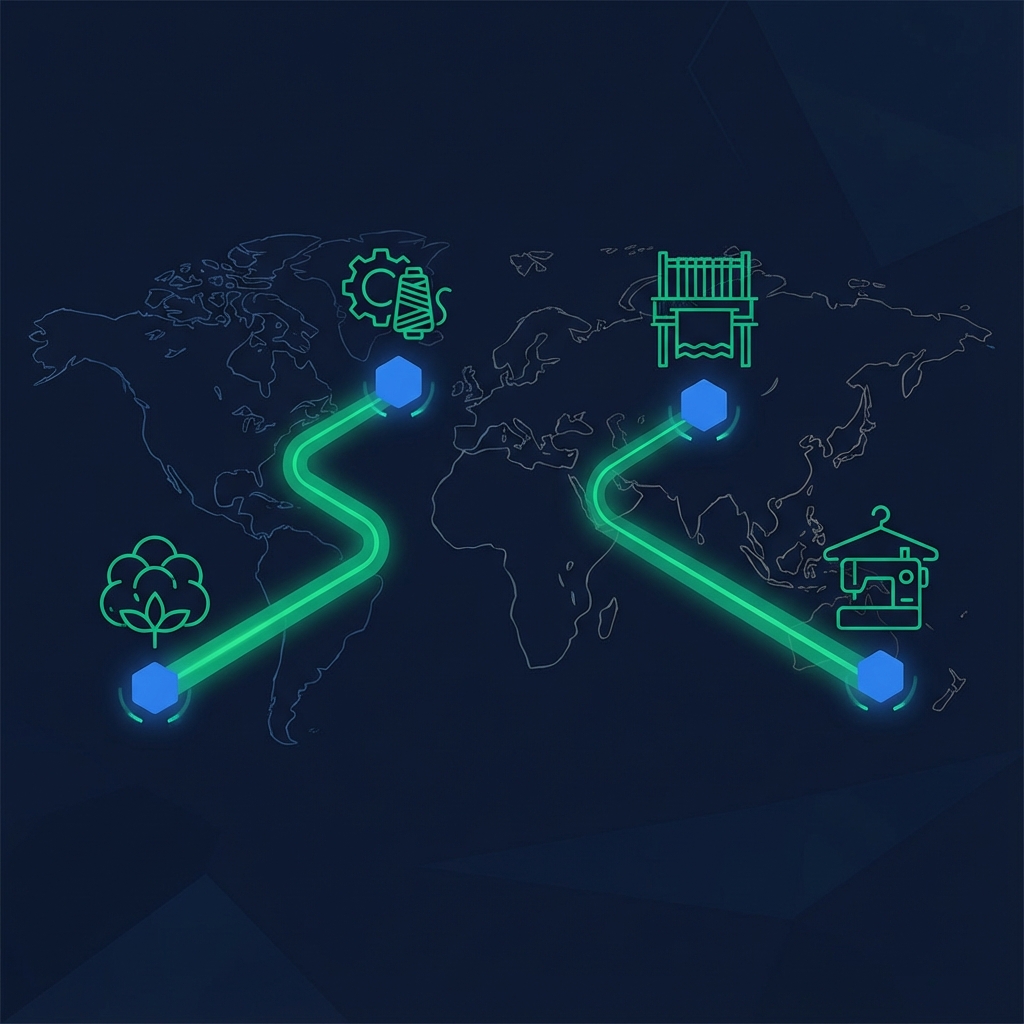
Upstream: The T-Shirt Journey

🌿 Cotton Farming
🧶 Thread Spinning
🧵 Fabric Weaving
👕 Factory Production

None of this appears in the retailer's direct emissions

Upstream Categories

📦

Purchased Goods

🏗️

Capital Goods

Fuel & Energy

🚚

Transportation

🗑️

Waste Generated

✈️

Business Travel

🚗

Employee Commuting

🏢

Leased Assets

Downstream: After the Sale

📤 Distribution
🔄 Customer Use
♻️ End of Life

For a washing machine, customer electricity use often exceeds manufacturing emissions

Downstream Categories

🚛

Transportation

⚙️

Processing

🔌

Product Use

🔄

End-of-Life

🏬

Leased Assets

🏪

Franchises

💰

Investments

Often the largest source for financial institutions

Why Should We Care?

⚠️ Risks

  • Supply chain vulnerabilities
  • Climate-related disruptions
  • Carbon taxes & regulations
  • Customer & investor pressure

🚀 Opportunities

  • Competitive advantage
  • Attract ESG investment
  • Build resilient supply chains
  • Innovation & efficiency gains

"Don't let perfect be the enemy of good"

💷

Spend-Based Method

Quick estimate using procurement spend × emissions factors

Start here →

📊

Activity-Based Method

Precise data from primary supplier information

Mature to this

Progress matters more than precision

Case Study: Apple

Powering suppliers with clean energy

100% renewable for own facilities

✓ Helping 200+ suppliers transition to renewable energy

✓ Supplier engagement at scale

Case Study: IKEA

From flat-pack to circular economy

1.5M

mattresses recycled annually in the Netherlands alone

Redesigning products for disassembly • Furniture take-back programs

Case Study: Walmart

Project Gigaton: Goal achieved 6 years early

1 Billion

metric tonnes of emissions avoided

Target: 2030 → Achieved: 2024

UK Regulatory Landscape

Current
SECR Framework
Scope 1 & 2 mandatory • Scope 3 encouraged
Coming Soon
ISSB Standards
IFRS S1 & S2 adoption likely
Direction
Voluntary → Mandatory
The writing is on the wall

EU CBAM: The Game Changer

Carbon Border Adjustment Mechanism

Oct 2023 - Dec 2025
Transitional phase
1 January 2026
Definitive regime begins

Sectors: Cement • Iron & Steel • Aluminium • Fertilisers • Electricity • Hydrogen

Penalties: €100 per tonne from 2026

UK CBAM: Following Suit

🗓️ Launch Date: 1 January 2027

📋 Sectors: Same as EU (excluding electricity initially)

🤝 UK-EU Summit May 2025: Mutual exemption discussions

📈 ETS Linking: Formally authorised Nov 2025

~182,000 importers exempted via 50-tonne de minimis threshold

"Every purchase order is a climate decision"

🔍

Supply Chain Transparency

Know where emissions hide

🤝

Supplier Engagement

Collaborate, don't just demand

🌱

Decarbonisation Partnerships

Share the journey together

The Ripple Effect

When one company demands change
Suppliers transform to stay competitive
Their suppliers transform
Positive change ripples globally

That's leverage for climate action

Your Next Steps

1
Map your Scope 3 hotspots
Where are the big numbers?
2
Engage your top 20 suppliers
They likely represent 80% of emissions
3
Set science-based targets
Aligned with Paris Agreement goals

The hidden footprint is becoming visible.
Will you lead or follow?

GO 365
go365.solutions
QR Code for go365.solutions
20
1 / 20